

Як безкоштовні VPN заробляють гроші (і як захистити себе)
Ваші дані – це золота жила, і ці безкоштовні VPN-додатки її експлуатують.

Поділіться
Безкоштовні VPN звучать привабливо: без щомісячної плати, швидка реєстрація, «захист вашої конфіденційності» одним кліком. Але якщо розібратися, як вони заробляють гроші, то багато безкоштовних сервісів обмінюють ваші дані — і метадані — на дохід. Якщо ви використовуєте VPN для збереження конфіденційності вашого онлайн-життя, це серйозна проблема. У Nym ми вважаємо, що конфіденційність ніколи не повинна ставитися під загрозу заради прибутку.
У цьому посібнику ми розглянемо:
- Як безкоштовні VPN-сервіси монетизують ваше з'єднання
- Приховані витрати «безкоштовних» інструментів для захисту конфіденційності
- Які питання слід задати перед вибором VPN
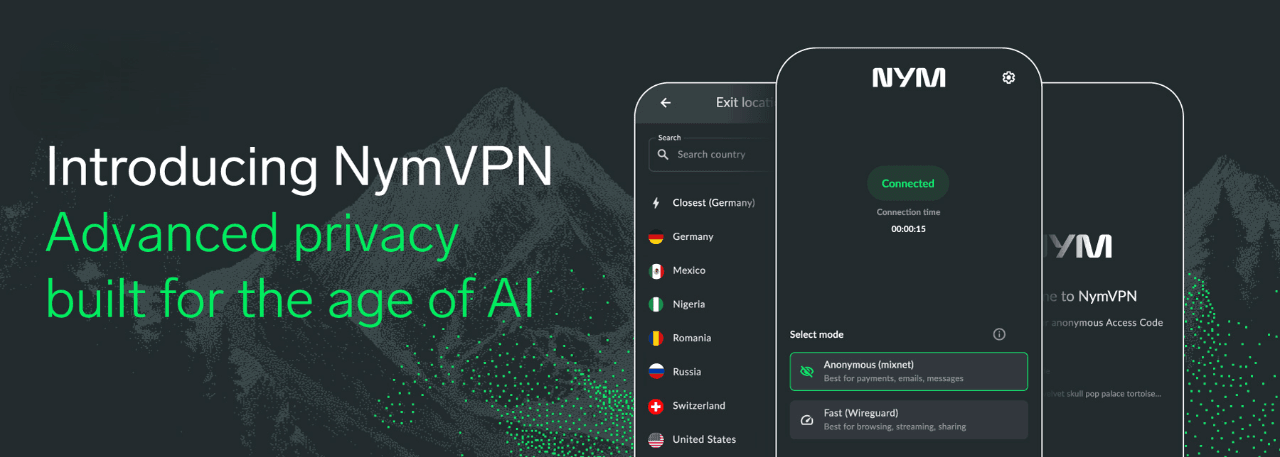
- Як децентралізована архітектура Nym без журналів захисту даних захищає ваші дані по-іншому
Поширені способи заробітку безкоштовних VPN-сервісів
- Продаж або відстеження даних про перегляди: Ваша IP-адреса, час підключення, відвідані сайти — навіть якщо вміст зашифровано, метадані залишаються цінними.
- Вставлення реклами у ваше з'єднання або додаток: Деякі безкоштовні VPN-сервіси засипають вас рекламою або включають файли cookie для відстеження, щоб заробити на вашій увазі.
- Обмеження пропускної здатності або функцій для стимулювання оновлень: Безкоштовні тарифи можуть обмежувати швидкість, вибір сервера або обсяг даних, спонукаючи вас до оплати.
- Перепродаж пропускної здатності або доступу до сервера: У деяких випадках пропускна здатність безкоштовних користувачів повторно використовується або пристрої стають вихідними вузлами, фактично перетворюючи вас на інфраструктуру.
- Збір даних для аналітики або третіх сторін: Деякі безкоштовні VPN співпрацюють з маркетологами або брокерами даних на умовах нечітких умов надання послуг.
Безкоштовні VPN: приховані витрати на вашу конфіденційність
Коли ви запитуєте «Що є безкоштовним?», справжня відповідь звучить так: «Ваша довіра, ваші метадані, ваша анонімність». Ось як це виглядає:
Метадані все ще витікають
Навіть якщо ваш VPN приховує веб-сайти, які ви відвідуєте, метадані, такі як час, тривалість та місце підключення, можуть розкрити певні закономірності. Безкоштовний VPN, який реєструє або не анонімізує метадані, все одно може розкрити вашу особистість.
Реклама та трекери проникають непомітно
Реклама не тільки дратує: вона часто містить скрипти для відстеження або партнерські посилання, які підривають ваші наміри залишитися непомітним.
Обмежений захист, коли це важливо
Безкоштовні тарифи часто не включають такі розширені функції, як kill switch, захист від витоку DNS або зашифровані сервери. Це означає, що при використанні публічного Wi-Fi або в умовах цензури ви можете бути більш вразливими, ніж ви думаєте. Дізнайтеся більше про небезпеки публічного WiFi.
Ваш пристрій може стати інфраструктурою
У крайніх випадках безкоштовні VPN-додатки виявлялося, що використовують пристрої користувачів як вузли виходу в ботнетах або проксі-мережах — а це означає, що ви опосередковано допомагаєте мережі, втрачаючи контроль.
Які питання слід задати перед вибором VPN?
Якщо ви порівнюєте безкоштовні та платні (або гібридні) VPN, вам слід задати такі питання:
- Що саме ви реєструєте? Чи підлягає ця політика публічному аудиту?
- Чи потрібна особиста інформація (електронна адреса, ім'я) для реєстрації?
- Чи пропонуєте ви анонімні режими або облікові дані?
- Як ви монетизуєте безкоштовний тарифний план? Чи використовується реклама?
- Ваш код є відкритим? Чи можу я перевірити, чим ви займаєтеся?
- Чи захищені не тільки вміст, а й метадані та моделі трафіку?
- Чи існує безкоштовна пробна версія, яка надає повний функціонал без прихованих витрат на передачу даних?
Чому це важливо: вбудовані моделі довіри все ще базуються на вашому припущенні, що «вони не будуть відстежувати мене». У Nym ми вважаємо, що ви не повинні довіряти — ви повинні мати можливість перевіряти.
Чому модель Nym захищає вас по-іншому
На відміну від більшості безкоштовних або фріміум-VPN, архітектура Nym побудована не навколо центральної компанії, яка монетизує ваші дані, а навколо децентралізованої конфіденційності, яка захищає їх за своїм дизайном.
Децентралізована маршрутизація
Трафік маршрутизується через вузли, що управляються спільнотою, тому жоден сервер не знає ні вашого місця відправлення, ні місця призначення. Це означає, що навіть якщо один вузол буде скомпрометований, ваша анонімність залишиться недоторканною.
Неможливо підключитися до інфраструктури
Жодна точка мережі Nym не може з'єднати ваш IP-адресу з адресою вашого призначення. Ви залишаєтеся невід'ємними від того, що ви робите в Інтернеті або з ким ви спілкуєтеся в будь-який час. Відсутність точок відмови.
Технології проти стеження
На відміну від більшості VPN, які все ще розкривають інформацію про час, розмір пакетів або маршрутизацію, mixnet від Nym перемішує та затримує пакети, щоб порушити шаблони та розірвати зв'язок між трафіком.
Анонімна реєстрація
Для реєстрації не потрібна електронна адреса або особисті дані. Всі типи платежів не пов'язані з використанням додатку завдяки профілям з нульовим розкриттям інформації. А такі криптовалюти, як Monero та Zcash, приймаються для забезпечення повної анонімності в процесі оплати.
Відкритий програмний код
Вихідний код Nym є повністю відкритим, загальнодоступним і регулярно перевіряється фахівцями з безпеки. Безкоштовна пробна версія, яка поважає вашу конфіденційність NymVPN пропонує тижневу повну пробну версію без реклами, збору даних та будь-яких зобов'язань. Він розроблений так, щоб ви могли насолоджуватися справжньою приватностю, а не приманкою.
Що ви можете зробити, щоб захистити себе
- Ознайомтеся з політикою конфіденційності щодо таких термінів, як «ми можемо ділитися…», «монетизувати…», «аналітика…».
- Віддавайте перевагу клієнтам з відкритим кодом, де код проходить аудит.
- Уникайте сервісів з великою кількістю реклами, SDK для відстеження або положеннями про спільне використання пристроїв.
- Використовуйте модель VPN, яка не залежить від ваших даних для отримання доходу (наприклад, децентралізована + оплачує інфраструктуру по-іншому).
- Створіть багаторівневий захист вашої конфіденційності: поєднайте VPN із надійними паролями, безпечним очищенням DNS та переглядом веб-сторінок із захистом від метаданих.
Спробуйте Nym безкоштовно протягом 7 днів для справжньої анонімності
Безкоштовні VPN часто мають приховані витрати: вашу конфіденційність, анонімність, цілісність вашого пристрою. Багато хто заробляє гроші за допомогою метаданих, реклами, перепродажу пропускної здатності або додаткових продажів за моделлю «фріміум».
У Nym ми вважаємо, що приватність не повинна бути компромісом. Наша децентралізована, прозора інфраструктура ламає традиційну модель, пропонуючи справжню анонімність без збору та продажу ваших даних. Вибирайте VPN, чітко розуміючи, як вона заробляє гроші, адже від цього залежить ваша свобода та конфіденційність.
Як безкоштовні VPN заробляють гроші: ЧаПи
Не обов'язково, але багато хто заробляє гроші менш очевидними способами, такими як реклама, перепродаж пропускної здатності або обмежені функції, що спонукають до оновлення. Ключове питання полягає в тому, як вони заробляють гроші.
Гроші, які ви не платите, можуть бути вашою конфіденційністю. Метадані, реклама, зниження швидкості або використання пристрою можуть бути прихованими витратами.
Так. «Платна» не гарантує конфіденційність. Якщо інфраструктура є централізованою, а провайдер зберігає журнали або метадані, ваша анонімність все одно може бути під загрозою.
Nym використовує децентралізовану Noise Generating Mixnet, тому жоден вузол не реєструє ваше місце походження/призначення. Не потрібно вводити особисті дані, і модель не залежить від монетизації ваших даних.
Тільки якщо ви повністю довіряєте бізнес-моделі та інфраструктурі. Але для справжньої конфіденційності — особливо в разі чутливого або тривалого використання — безпечніше вибрати модель, в якій ваші дані не є продуктом.

Про авторів
Casey Ford, PhD
Керівник відділу комунікаційЗміст
Читати далі...
Безкоштовний VPN проти платного VPN: ризик для конфіденційності, якого ви не бачите
Правда про те, за що ви насправді платите, особливо коли ви не платите
Безпечний доступ до темного інтернету
Як безпечно використовувати Tor з VPN для захисту вашої конфіденційності

Мережа з нульовим розкриттям інформації від Nym: обіцянки щодо відсутності логів не потрібні
Втілення політики «без журналів» у VPN у мережеву архітектуру та гарантії